Methane At New York Climate Week 2026
Join SMAC and find the official events schedule here

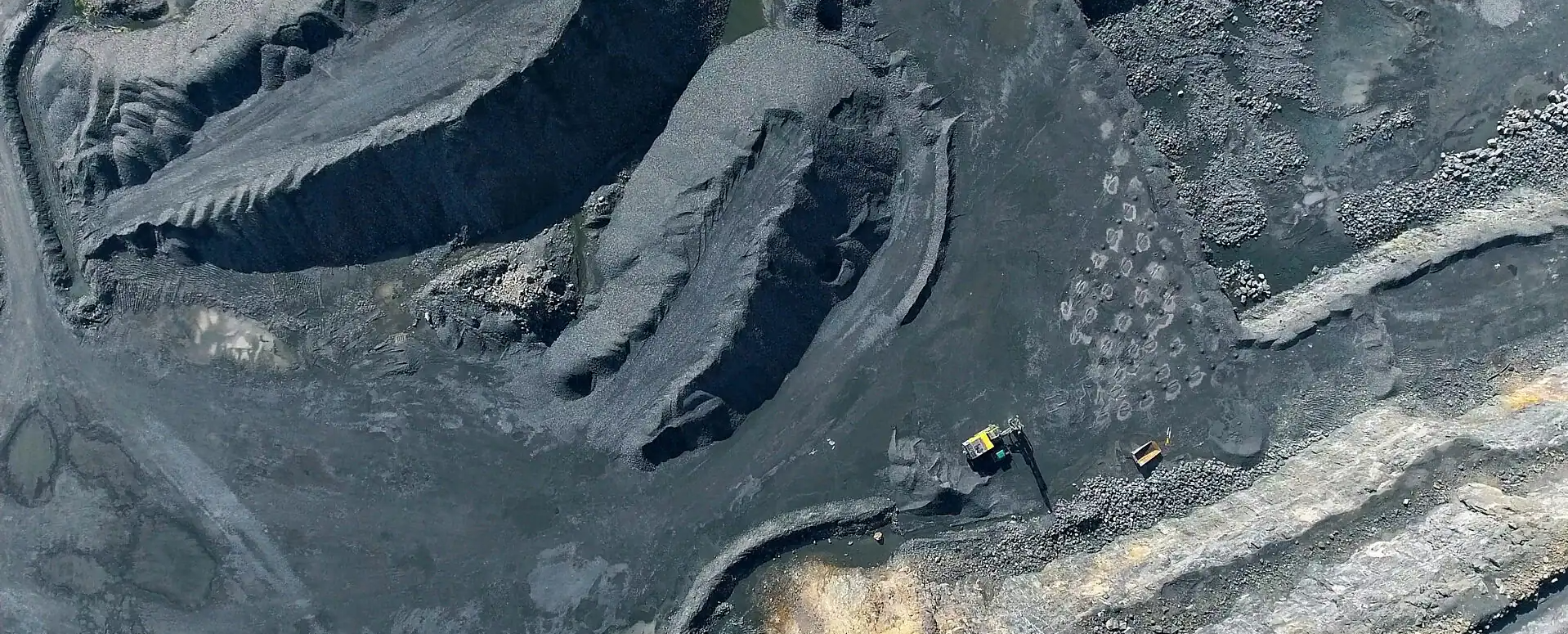
SMAC Speaker Series, Session 8: Coal Mine Methane
This session, titled Coal Mine Methane: Translating Technical Solutions into Policy and Practice, will focus on methane emissions from the fossil fuel sector, with particular attention to coal mine methane.
It will combine technical insights with real-world policy experience and will include:
a technical presentation from Dr. Sabina Assan, Ember, on coal mine methane overview, measurement and mitigation options, data and MRV challenges, and regional variation in solutions;
a brief overview from UC Berkeley CLEE on the coal sector within SMAC membership; and,
a moderated discussion and breakout sessions to support peer learning and exchange.
Register here.
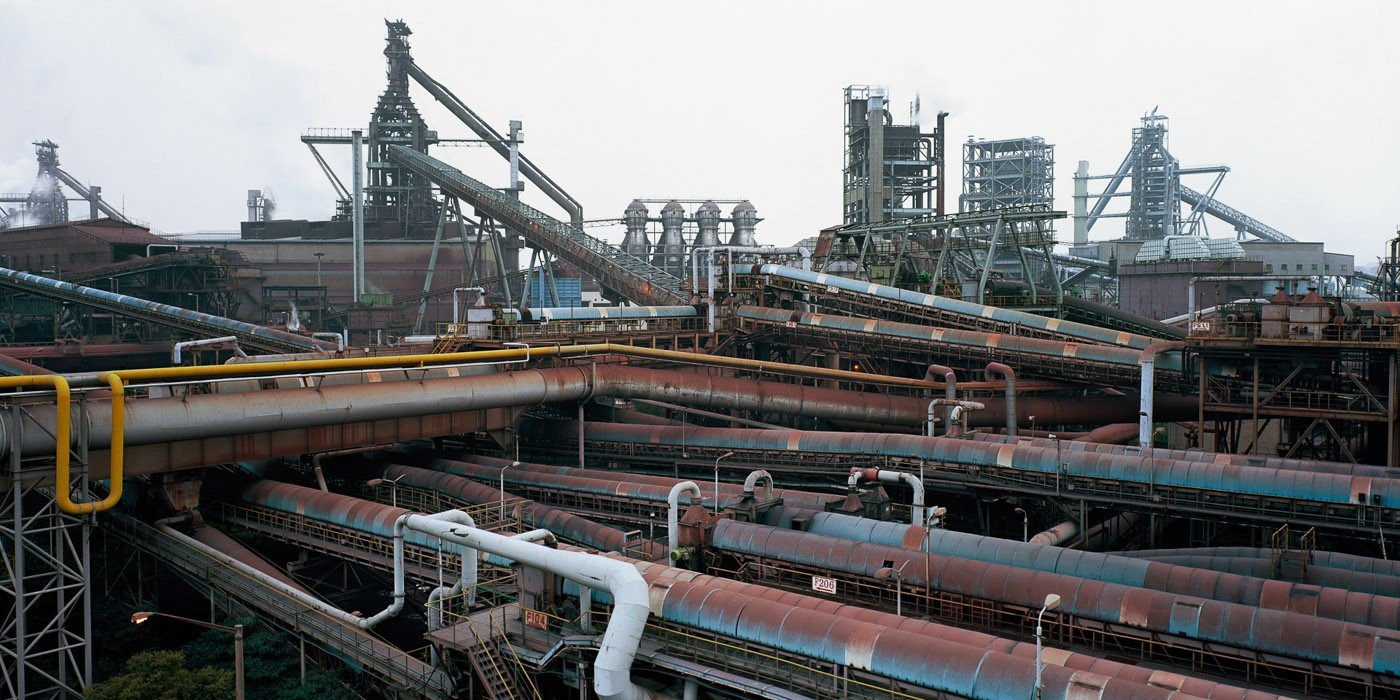
SMAC Speaker Series, Session 7: Oil and Gas Methane
In this joint SMAC technical seminar and community of practice, experts Dan Zimmerle, from Methane Emissions Technology Evaluation Center, and Deborah Gordon from RMI’s Climate Intelligence Program bring insights on methane measurement techniques and technologies as well as methane mitigation solutions and tools in the sector. SMAC peer subnational case study was presented by British Columbia, Canada on their advances in methane management and achievement of emission reduction targets.
Speakers: Dan Zimmerle, Director, Methane Emissions Technology Evaluation Center (METEC), Colorado State University; Deborah Gordon, Senior Principal, Oil and Gas Solutions Initiative, RMI’s Climate Intelligence Program; Hurrian Peyman, Director, Net Zero Transition, Government of British Columbia, Canada
Photo by Edward Burtynsky
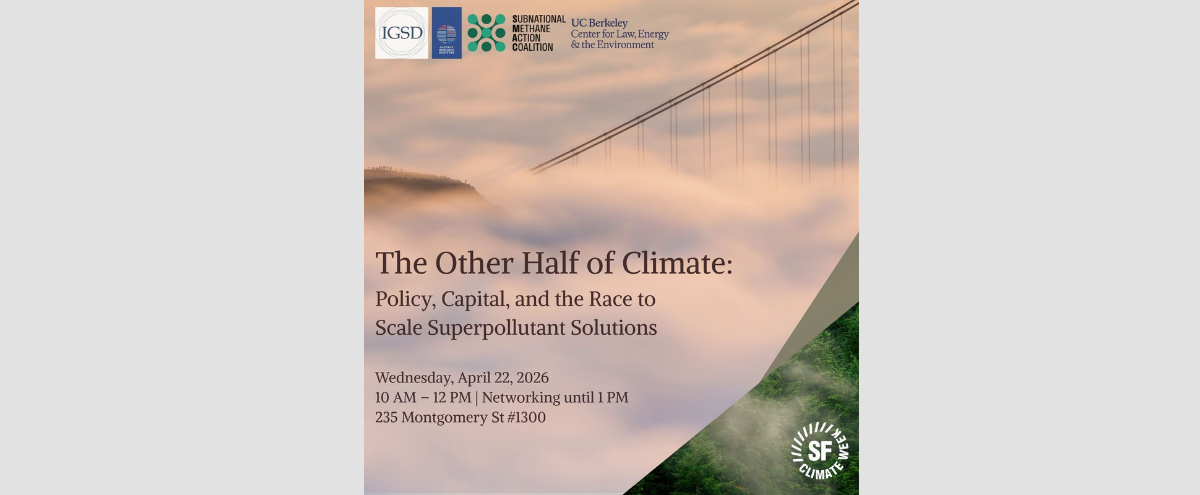
The Other Half of Climate: Policy, Capital, and the Race to Scale Superpollutant Solutions
235 Montgomery St, Suite #1300, San Francisco

SMAC Speaker Series, Session 6: Livestock Methane - Translating Technical Solutions into Policy and Practice
In this joint technical seminar and SMAC community of practice, Professor Ermias Kebreab from UC Davis and Methane Research Fellow Shivani Shukla from UC Berkeley bring insights on methane reduction strategies in the livestock sector, followed by a SMAC peer case study presentation by Minas Gerais, Brazil on policies such as the ABC+ plan and PLAC, and other state programs and solutions on livestock methane.
Speakers: Professor Ermias Kebreab, UC Davis; Gustavo Gomes Pereira do Nascimento, Veterinarian and Technical Advisor - Directorate of Productive Chains, Minas Gerais, Brazil; Shivani Shukla, Methane Research Fellow, UC Berkeley CLEE.
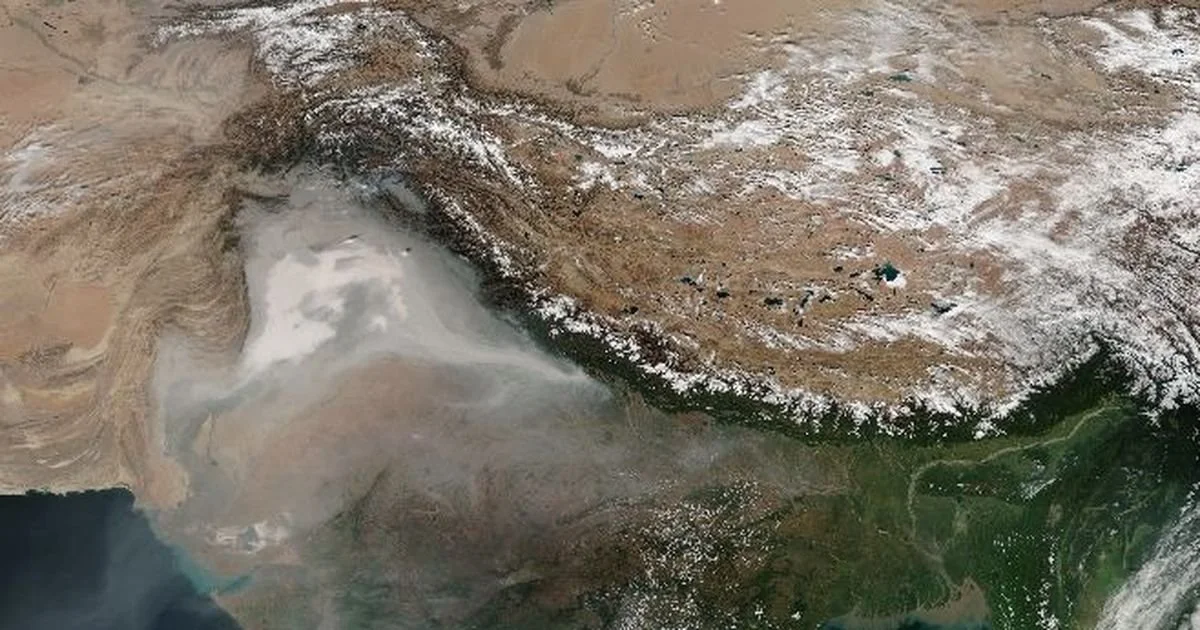
SMAC Speaker Series, Session 5: Spotting Pollution from Space Lunch & Learn Webinar
Researchers from UCLA, Stanford, and Berkeley Law discuss how public officials are using satellites to tackle methane.
Speakers: Juan Pablo Escudero, Cara Horowitz, Fran Reuland, Ted Lamm, Shivani Shukla, Gil Damon
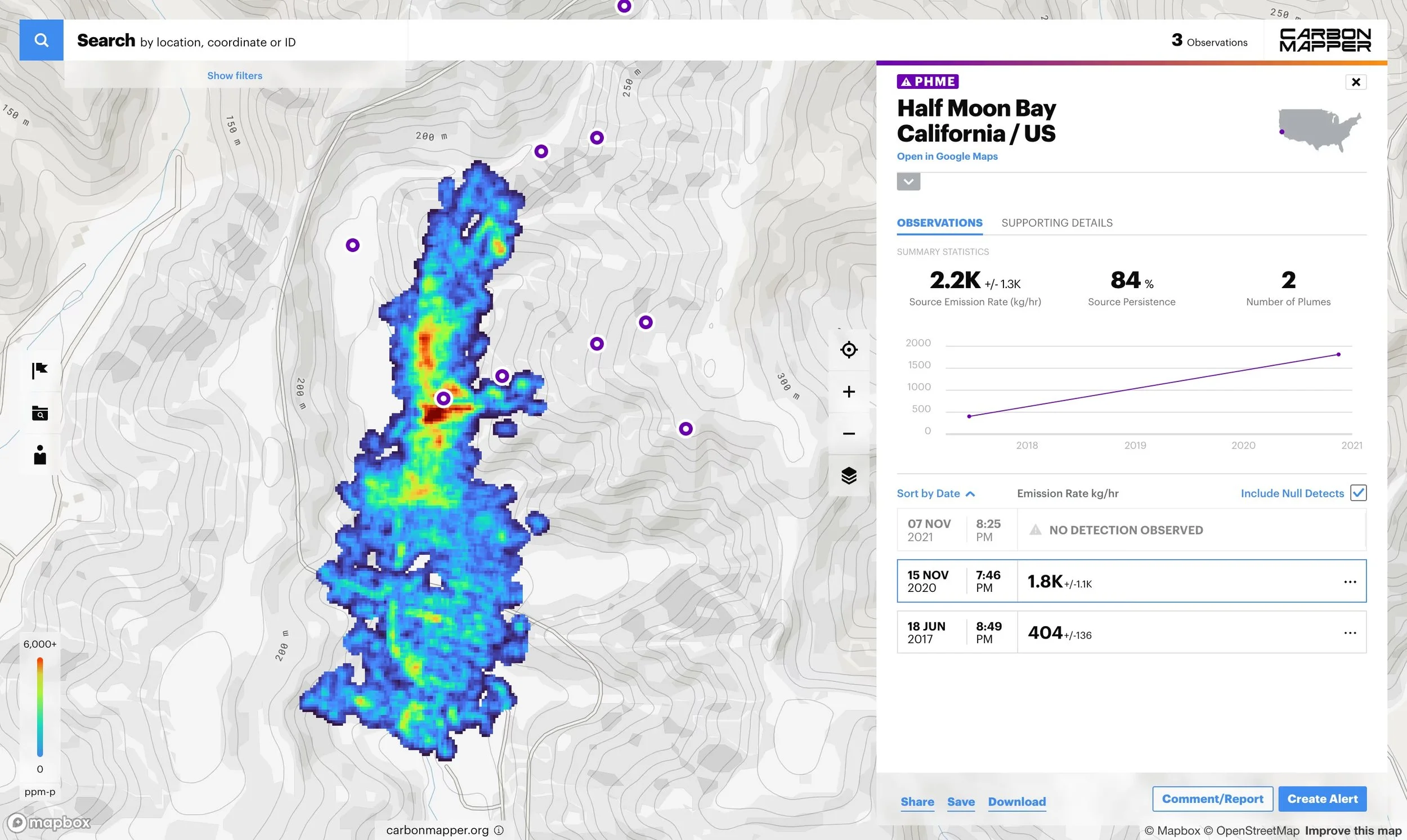
SMAC Speaker Series, Session 4: Carbon Mapper's Methane Satellite Data
Carbon Mapper is a nonprofit organization that uses advanced remote sensing technologies to detect, pinpoint, and quantify methane and CO₂ super-emitters at the facility level. By providing transparent, actionable data, they empower operators, regulators, and civil society to take targeted action—supporting everything from leak detection and policy development to global efforts like the Global Methane Pledge. Kenzie and Jordan will walk you through the many ways you can leverage Carbon Mapper’s satellite data to accelerate emissions reductions, including through their free and open data portal.
Speakers: Kenzie Huffman, Director for Strategy and Partnerships, Carbon Mapper; Jordan Giaconia, Deputy Director for Impact, Carbon Mapper.
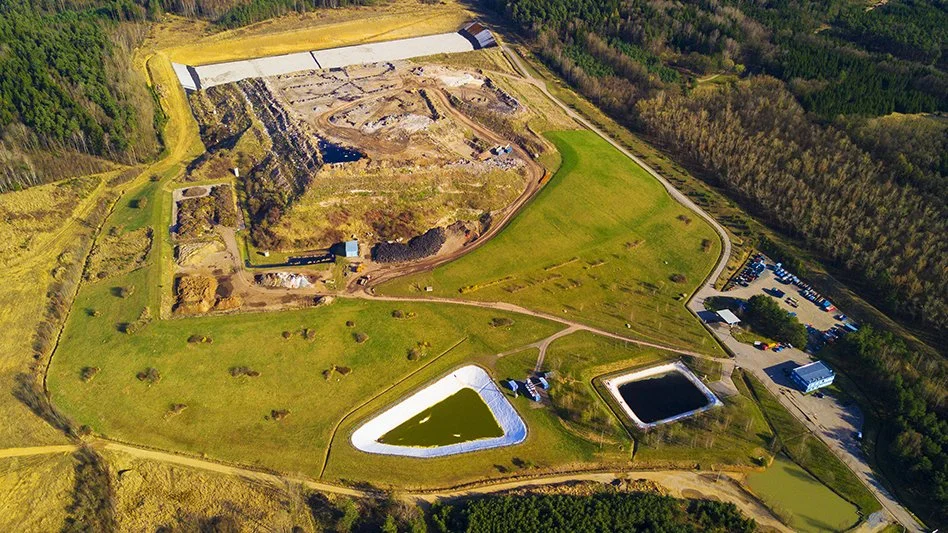
SMAC Speaker Series, Session 3: Insights from Colorado's Energy and Waste Sector Methane Programs
Colorado is a national leader in methane policy through innovative monitoring and regulatory strategies. In this session, Stefanie Shoup and Tim Taylor from the Colorado Department of Public Health and Environment share how the state is using ground-based, aerial, and satellite technologies to track methane emissions. They also discuss Colorado’s efforts to regulate emissions from the oil, gas, and waste sectors, with a focus on strengthening landfill requirements and advancing subnational leadership.
Speakers: Stefanie Shoup, Manager, Colorado Office of Innovations in Planning and Air Quality Data; Tim Taylor, Head of Strategy Development, Colorado Air Pollution Control Division
COP 29, Baku, Azerbaijan
The 2024 United Nations Climate Change Conference or Conference of the Parties of the UNFCCC, more commonly known as COP29, is the 29th United Nations Climate Change conference. COP29 is being held in Baku, Azerbaijan, from 11 to 22 November 2024.
COP 29 has nearly 100 methane-related events with multilateral attendees, with highlights being COP29 Summit on Methane and Non-CO2 Greenhouse Gases (November 12), Global Methane Pledge Ministerial (November 15) and the Methane Pavilion by Global Methane Hub (November 12-22).
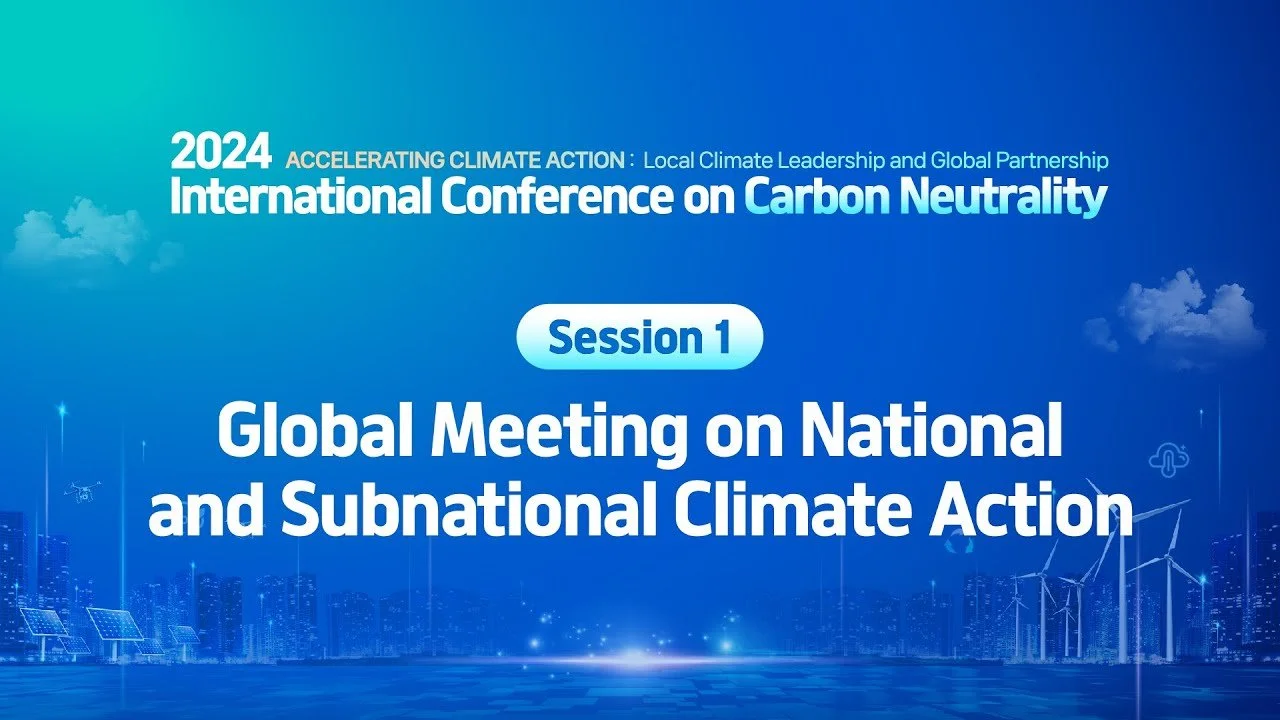
Chungnam Carbon Neutrality Conference, Buyeo, South Korea
Hosted by the Chungnam Province, the International Conference on Decarbonisation is a striking example of how subnational governments are driving the climate agenda forward by taking action to address climate challenges in their regions and beyond.
One of the focuses this year was methane. The conference included a signing ceremony to celebrate Chungnam joining the Subnational Methane Action Coalition (SMAC). Methane is a particularly good example of the need for concerted multi-level action to address the huge variety of methane emissions sources.
UC Berkeley CLEE’s Ken Alex (Director, Project Climate) and Shivani Shukla (Research Fellow, Project Climate) presented on SMAC and the Coalition’s examples of subnational leadership on methane.
SMAC Speaker Series, Session 2: California's Use of Remote Sensing Data in Methane Management
With the launch of multiple methane detection satellites, the amount of data and information methane emissions is expanding substantially. How can jurisdictions receive and use this data?
The California Air Resources Board (CARB) is a world leader in methane observation. Dr. Jason Schroeder and Dan Phillips will share lessons from CARB’s methane detection work, use of satellite data, and interactions with facility operators. They will also introduce California's new methane plume alert system.
Speakers: Dr. Jason Schroeder, Manager of Integrated Measurements of Air Pollution Section for the California Air Resources Board; Mr. Dan Phillips, Air Pollution Specialist, California Air Resources Board
SMAC Speaker Series, Session 1: Using Climate TRACE to Evaluate Methane Emissions
Climate TRACE is a nonprofit coalition building a timely, open, and accessible inventory of exactly where greenhouse gas emissions are coming from. This session will provide an introduction to Climate TRACE and its data products; its applications; and a demonstration of how it can be used for methane tracking and mitigation.
Speakers: Lekha Sridhar, Research and Special Projects Lead for WattTime